Laser Tag Business Guide: Costs, Profitability, and How to Succeed

If you ask any kid who grew up in the last few decades about their most unforgettable birthday party, chances are, laser tag will come up. What started in the 1970s as a military training tool has since evolved into a staple for Family Entertainment Centers (FEC), proving itself as a timeless, unique experience that delights guests of all ages.
In many ways, laser tag is the perfect middle-ground activity: It feels active without being intense, social without being awkward, and immersive without requiring a long learning curve.
If you're thinking about starting a laser tag business, or you already run an FEC and want to add laser tag to your lineup, you're looking at an opportunity that's proven itself over decades.
In this guide, we’ll cover what it takes to run a successful laser tag business, including startup costs, profitability, business models, and current trends.
What is a laser tag business?
A laser tag business is a venue or mobile operation where guests pay to play laser tag games using infrared taggers and sensor-equipped vests. Most laser tag businesses run either as fixed indoor arenas, mobile operation, or part of a larger family entertainment center (FEC).
Fixed, mobile, or hybrid
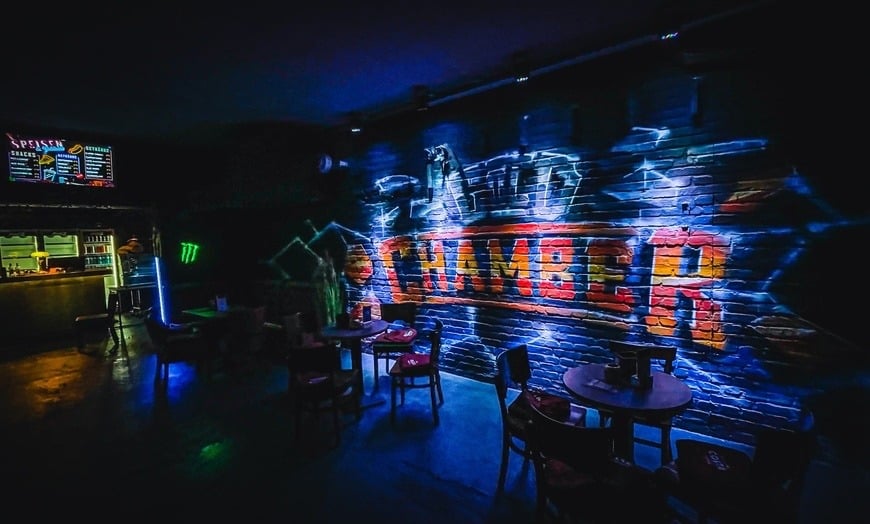
Fixed-location venues are what most people picture when they think of laser tag. These are permanent indoor arenas with dedicated space, custom obstacles, theatrical lighting, and sound systems. Players come to you, and you control every aspect of the environment and experience.
Mobile laser tag operations work differently. You bring the equipment to customers at their location, whether that's a backyard birthday party, school event, corporate picnic, or community festival. You're running an event-based business rather than a venue.
Hybrid models combine both approaches. You might have a fixed arena that generates steady revenue while also offering mobile services for off-site events. This gives you more ways to generate income and helps mitigate seasonal fluctuations.
Stand-alone vs. part of an FEC
Some laser tag businesses operate as stand-alone attractions. The entire venue is built around laser tag, and that's the main draw. These venues often include a lobby area, maybe a small café or snack bar, and party rooms, but laser tag is the core offering.
Other laser tag operations exist as part of a larger family entertainment center (FEC) that might also include bowling, arcade games, go-karts, or other attractions. In this setup, laser tag becomes one of several reasons people visit, and it helps increase overall dwell time and spending.
Both models work. Stand-alone venues can build a strong brand identity around laser tag and become known as the destination for it in their market. As part of an FEC, laser tag benefits from shared marketing, infrastructure, and foot traffic from guests who came for other attractions.
Is a laser tag business profitable?
Yes, a laser tag business can be very profitable, with typical profit margins between 15–40% once established, depending on location, arena size, and business model. In fact, the global laser tag market is expected to reach $648.1 million by 2028.
Let’s break down the need-to-know information when exploring how much does a laser tag business make
Typical revenue ranges
The revenue capacity of a laser tag facility is directly tied to the local population, the size of the arena, and the quality of the overall customer experience, so it can vary widely.
|
Revenue metric |
Low range (Small/average facility) |
High range (Flagship/FEC center) |
|
Annual revenue (Games only) |
$200,000 – $500,000 |
$1,000,000 – $2,000,000+ |
|
Revenue per square foot |
$50 – $100+ annually |
$100 – $150+ annually |
|
Ancillary revenue |
25% of Total Gross Revenue |
30% – 40% of Total Gross Revenue |
Sources:
- https://laserblast.com/laser-tag-investment-guide/
- https://laserforcetag.com/profitability/
- https://lasertag.com/how-to-start-a-laser-tag-business/
Margins and scalability
Laser tag tends to catch investors’ eyes because it’s a business that grows without getting unwieldy. Once everything is set up, the day-to-day is pretty straightforward. The gear lasts, the staffing stays light, and the numbers usually reflect that. Many centers end up with margins in the 15 to 40 percent range, which gives owners plenty of space to expand without feeling stretched. And with many operators saying they earned back their initial investment in about a year, it’s easy to see why this model feels both dependable and scalable.
Read more: See how laser tag attraction Mining Adventure World increased its online bookings by 30%
How much does it cost to start a laser tag business?
The initial investment for a laser tag business ranges dramatically based on the chosen business model and the size and complexity of the arena.
|
Investment tier |
Typical total startup cost range |
|
Mobile/outdoor operation (12-16 taggers) |
$8,000 – $25,000 |
|
Indoor arena (Mid-range/add-on: 24+ taggers) |
$100,000 – $250,000 |
|
Flagship stand-alone center (High-end: 30+ taggers) |
$150,000 – $400,000+ |
Sources:
- https://laserforcetag.com/profitability/
- https://lasermaxx.com/en/articles/start-a-laser-tag-arena/
- https://battlefieldsports.com/set-up-costs
- https://www.serif.ai/start-a-business/how-to-start-a-laser-tag-business-2025-guide-10-steps-free-business-plan
- https://lasertag.com/how-to-start-a-laser-tag-business/
- https://laserblast.com/laser-tag-investment-guide/
Major financial expenses breakdown
|
Expense category |
Typical unit cost / range |
|
Laser tag equipment (Vests/phasers) |
$2,500 – $3,500 per player station |
|
Arena construction and theming |
$35 – $85 per square foot |
|
Technology and venue management software (e.g. POS, online booking, membership systems) |
Varies |
|
Staff Wages (Payroll) |
20% – 25% of Annual Gross Revenue |
Financing options
Financing your laser tag business usually follows the same paths as other small ventures, but a few options tend to stand out. Many owners start with small business or bank loans because they tend to offer good terms when you have a clear plan and solid collateral in place. Some suppliers make things easier by offering equipment leasing, which spreads the cost of the gear into manageable monthly payments.
If you’re building something bigger or more premium, investor capital can help you scale. And for those who want a proven playbook from day one, franchising can offer a built-out model along with support in securing the funds to get started.
Laser tag business models
One of the best things about laser tag is how flexible the business model can be. You're not locked into one approach, and what works best depends on your budget, market, and goals.
Franchises vs. independent laser tag business
Franchises offer brand recognition, training, and operational support. You get a proven system that reduces some of the guesswork, but you give up control over branding, pricing, and many operational choices. Franchise agreements, including laser tag franchises, typically include upfront fees plus ongoing royalties based on revenue.
Going independent gives you complete creative and operational freedom. You decide on branding, set your own prices, design the arena your way, and keep all the profits. The trade-off is building everything from scratch without a ready-made blueprint. The right path depends on your experience, available capital, and how much guidance you want along the way.
Add-on attraction vs. dedicated venue
Adding laser tag to an existing FEC, arcade, bowling alley, or similar venue lets you leverage the infrastructure you already have. You benefit from built-in foot traffic, marketing channels, and operational systems. Laser tag becomes another reason for guests to visit, stay longer, and spend more. The investment is still significant, but you’re building on a solid foundation.
Stand-alone laser tag venues position themselves as the destination, focusing entirely on creating the ultimate laser tag experience. This approach can strengthen brand identity and attract loyal fans, though your success relies entirely on the appeal of a single attraction. Both models can thrive, and the right choice depends on your existing assets, market, and business goals.
Mobile laser tag
Mobile laser tag lets you bring the fun directly to customers instead of waiting for them to come to you. You arrive with equipment, set up a temporary play area, run games for a few hours, then pack up and head to the next event. This model keeps startup costs low, eliminates rent, and lets you test the market before committing to a permanent location. You can even start part-time while keeping another job, and you’re not tied to a single area.
The main trade-off is less predictable revenue, since your income depends on scheduled bookings rather than consistent walk-in traffic. You’ll also spend time managing setup, teardown, and other logistics, and outdoor events can be affected by weather. Mobile laser tag works best for entrepreneurs who enjoy variety, don’t mind the physical side of moving equipment, and like building direct relationships with clients.”
What makes a laser tag business successful?
Successful laser tag venues create memorable experiences that keep guests coming back.
Location and demographics
Choosing a visible location with convenient parking near homes, schools, shops, or restaurants can boost walk-in traffic. Communities with families, teens, and young adults, like college towns or expanding suburbs, offer a steady audience. Accessibility is key, because if guests have trouble finding your venue, you risk losing them before they even step inside.
Marketing and promotions
Consistent marketing keeps your schedule full. Social media platforms like Instagram and TikTok work well because laser tag is visual and shareable. Encourage guest-generated content, use email to promote repeat visits, and partner with schools, leagues, and community groups for steady bookings. Seasonal events, themed nights, and fundraisers build excitement and community support.
Guest experience and repeat visits
The experience begins before arrival with easy online booking, clear directions, and upfront communication that sets expectations. On-site, smooth check-ins, well-maintained equipment, immersive arenas, and enthusiastic staff create memorable gameplay. Offering extra rounds, food, or arcade games after the game extends visits and increases revenue per guest.
Trends in the laser tag industry
Laser tag has come a long way from the ’70s. Keeping up with trends can give your business a competitive edge.
Esports influence
Competitive gaming culture has raised guest expectations. Players now want detailed stats, leaderboards, and performance tracking. Modern systems can show accuracy, shots fired, targets hit, and survival time. Some venues run leagues, tournaments, and events with prizes, turning casual players into a dedicated community.
Tech upgrades
Updated technology makes laser tag even more immersive. Augmented reality, mobile apps for customizing gear and tracking stats, and interactive obstacles elevate the experience. These upgrades can justify higher prices and attract guests who might otherwise see laser tag as outdated.
Adult group events
Adult-focused events have grown rapidly. Corporate team-building, bachelor or bachelorette parties, and 21+ competitive nights fill weekday evenings and drive higher per-guest revenue. Groups of adults tend to spend more per person than families, making this a lucrative segment.
Role of software in scaling operations
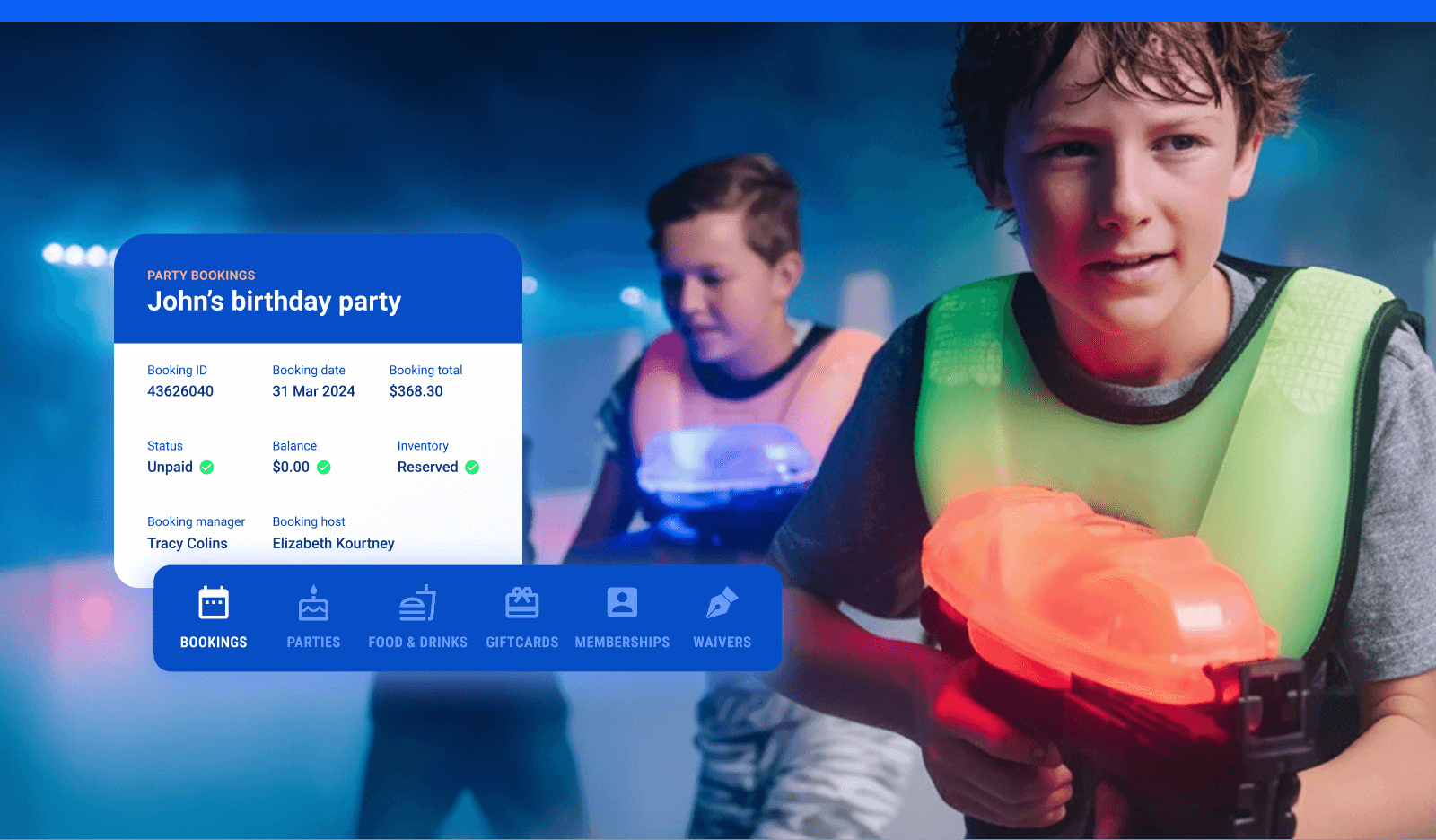
Running a laser tag business involves juggling a lot of moving parts: bookings, waivers, payments, memberships, staff schedules, inventory, and more. Managing all of this manually or with disconnected systems creates inefficiencies that cost time and money. Modern laser tag management software brings it all together, making daily operations simpler and more efficient.
Here are the key features that make a difference:
- Booking: Online booking enables guests to reserve and pay ahead, reducing no-shows and making demand easier to predict. It frees staff to focus on welcoming guests and enhancing the experience.
- Waivers: Digital waivers streamline check-in, save time, reduce paper waste, and keep records organized and searchable for easy access when needed.
- Point of Sale (POS): An integrated POS system handles admissions, food, and merchandise in one place, giving clear financial data and simplifying accounting.
- Membership and loyalty programs: Automated membership and loyalty tracking takes the work out of managing punch cards, subscriptions, and rewards programs and helps bring customers back more often.
Next steps
Running a laser tag business can be exciting, profitable, and scalable when you combine the right location, a strong guest experience, and smart operations. Whether you’re starting small or launching a full-scale arena, understanding costs, revenue potential, and industry trends is key to long-term success. Streamlining operations with the right software can make a huge difference in efficiency and guest satisfaction.
Ready to see how ROLLER can simplify running your laser tag venue? Book a demo today and discover how to manage bookings, staff, and operations all in one place.
Disclaimer: This article is not intended as legal advice. Venues should coordinate with the appropriate bodies for specific information about regulations and guidelines.
Frequently asked questions about laser tag businesses
How profitable is a laser tag business?
Laser tag businesses can be highly profitable, with typical profit margins ranging from 15 to 40 percent. Revenue varies by location, arena size, and business model, with annual game-only revenue ranging from $200,000 for small facilities to over $1 million for flagship centers. Many operators recoup their initial investment within about a year.
How much does it cost to start a laser tag business?
Startup costs depend on the model and scale. Mobile laser tag operations can start at $8,000 to $25,000, mid-range indoor arenas range from $100,000 to $250,000, and high-end, stand-alone centers can cost $150,000 to $400,000 or more. Major expenses include laser tag equipment, arena construction, technology systems, and staff wages.
Is laser tag still popular in 2026?
Yes, laser tag remains popular in 2025 and 2026. It attracts families, teens, and adults through immersive experiences, competitive gaming features, esports-style leaderboards, and adult-focused events like corporate team-building and party nights. Modern technology and themed arenas continue to drive demand.
What equipment is needed for a laser tag business?
Essential equipment includes infrared-emitting guns, sensor-equipped vests, arena construction with obstacles and theming, lighting and sound systems, and management technology like booking and POS software.
Can you franchise an axe throwing business?
Yes, several axe throwing brands offer franchise options for people who want a proven business model. At the same time, many venues operate independently and find success by shaping their own brand and experience. Both paths can work well depending on your goals.
Related articles
.png)
.webp)
.jpg)
.jpg)