Common Venue Membership Program Mistakes and How to Fix Them

Key takeaways
- Membership programs usually underperform because of how they're structured, priced, or communicated, not because of the experience itself.
- Two or three clearly differentiated tiers sell better than five or six with overlapping benefits.
- Members who stop visiting will likely cancel, so tracking engagement and reaching out early makes a big difference.
- Automating renewals, reminders, and payment management saves your team time and catches problems before they turn into cancellations.
According to ROLLER's 2026 Benchmark Report, 56.7% of venues now offer membership programs. But for many attraction venues, memberships underperform, and the reasons are usually the same, fixable mistakes.
The idea is straightforward: turn one-time visitors into recurring revenue by offering access, perks, or discounts in exchange for a monthly or annual fee. When it works, it’s powerful. You get steadier cash flow, better visibility into demand, and stronger guest relationships.
When it doesn’t, the symptoms are familiar: high churn, confusing pricing, and a steady stream of cancellation requests.
The good news is that most membership programs don’t fail because of the experience you offer or the audience you serve. They fall short because of how they’re structured, communicated, and managed over time. Fix those elements, and you can turn an underperforming program into a meaningful growth driver.
In this guide, we’ll cover the most common membership program mistakes attraction venues make and how to fix them.
Why venue membership programs fail
Here’s the reality: people do want memberships. The appeal is clear. Unlimited access, priority booking, and the chance to save on repeat visits are all strong motivators. The challenge isn’t just attracting members; It’s keeping them engaged and renewing.
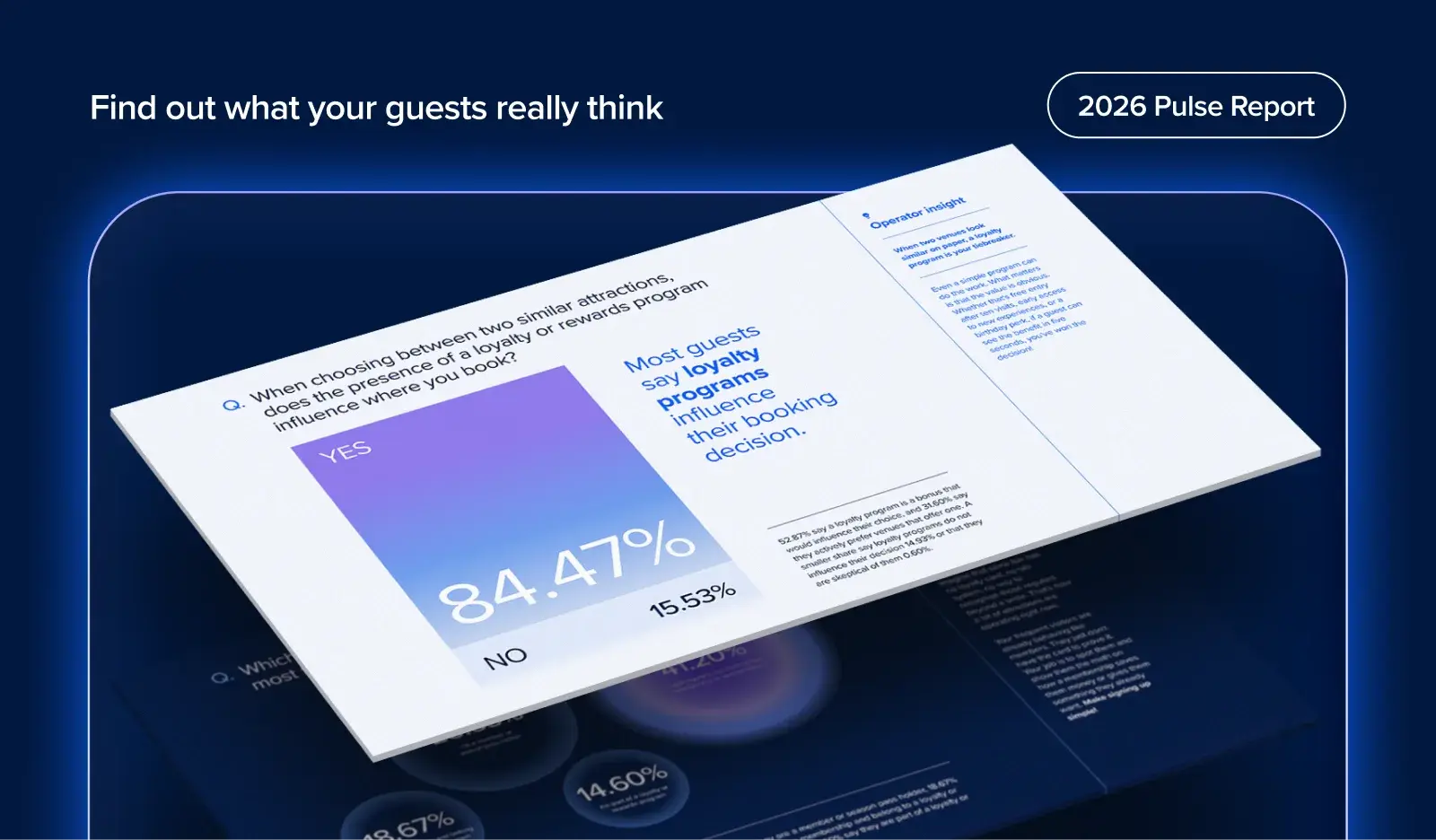
ROLLER's 2026 Pulse Report found that 41.20% of guests already visit regularly without holding a membership. The demand is there. The gap is turning those repeat visits into a structured relationship.
Most underperforming programs don’t have a demand problem. They have a design problem. Pricing is unclear, tiers are hard to compare, the value isn’t obvious, or the renewal experience creates friction. Over time, those issues compound and show up in a few predictable ways.
You might see low uptake because guests can’t quickly understand which option is right for them. Or high churn because the value doesn’t hold up after the first visit or two. In some cases, pricing is set too low or benefits are too generous, so even active members aren’t profitable. And often, it’s a combination of all three.
Before diving into specific fixes, it helps to sense-check your current program.
Signs your membership program needs improvement
- Churn rate above ~25–30% annually
- Frequent confusion about tiers or benefits
- Drop-off after the first renewal cycle
- High support volume related to memberships
- Low engagement from active members
- Limited visibility into member behavior
If two or more of these sound familiar, there’s a strong chance your program isn’t performing as well as it could. The good news is that these are all fixable, and the improvements tend to compound quickly once you address them.
Mistake # 1: Overcomplicating the tier structure
When someone lands on your membership page and sees five or six options with slight variations, they don’t carefully compare them. They hesitate, get overwhelmed, and often leave without choosing anything. That friction shows up as lower uptake, even when interest is high.
It doesn’t just affect guests. Internally, every extra tier adds complexity. Your team has to remember what each one includes, your systems need to apply the right rules, and your communications become harder to manage. It’s added overhead without a meaningful return.
What an effective tier structure looks like
Most high-performing venue membership programs stick to two or three tiers at most. Here’s an example:
- Core tier: Designed for your most engaged visitors who want regular access without extras
- Premium tier: Adds meaningful perks like priority booking, guest passes, or exclusive experiences
- Optional mid-tier: Only if there’s a clear, distinct use case that doesn’t blur the other two
The key is providing clear separation in value instead of minor feature differences. This lines up with what guests actually want. ROLLER's 2026 Pulse Report found that 41.53% of guests prefer unlimited visits for a fixed monthly or annual fee, far ahead of points-based systems (18.87%) or tiered structures (7.33%).
And naming matters more than most teams think. Labels like “Gold,” “Silver,” and “Bronze” are familiar, but they don’t actually tell someone what they’re getting. That forces guests to do extra work to compare options.
Stronger programs use descriptive, benefit-led names like “Unlimited,” “Family Pass,” or “VIP.” These reduce decision time because the value is immediately clear.
Tier structure comparison
|
Bad tier design |
Good tier design |
|
6+ tiers with overlapping benefits |
2–3 tiers with clearly distinct value |
|
Generic names |
Descriptive names (Unlimited, Family, VIP) |
|
Minimal changes between tiers |
Clear, meaningful value difference between tiers |
If someone can’t decide within a few seconds, your structure is doing too much. The goal isn’t to offer more choice, it’s to make the right choice feel obvious.
Mistake # 2: Pricing memberships without knowing your breakeven
Most venues price memberships on instinct or by copying competitors. It feels safe, but it usually leads to one of two outcomes: you’re either leaving money on the table or losing money on every active member.
The issue isn’t just the price itself. It’s the lack of a clear breakeven point.
How to think about membership pricing
At a basic level, your pricing should reflect three things:
- Your standard admission price
- How often you expect a member to visit annually
- The level of savings you want to offer in exchange for commitment
Common pricing mistakes
Pricing too low
ROLLER's 2026 Pulse Report found that 47.93% of guests say saving money is the primary reason they'd consider a membership. The math has to work for the guest, but it also has to work for you.
Low prices may seem like a way to drive volume, but they often backfire. Frequent visitors maximize usage without spending on add-ons, discounting your core experience and eroding perceived value.
Pricing too high
High prices limit membership to only your most loyal guests, reducing uptake, slowing growth, and making the program feel restrictive.
What good pricing does
Effective pricing balances value and sustainability. It gives regular visitors clear savings, protects per-visit revenue, and reflects real usage. The goal is a fair price that works whether members visit a little more or a little less.
Mistake # 3: Making renewals a passive process
Renewals are where most membership programs lose revenue.
Handled poorly, you’re left choosing between two bad outcomes. Auto-renew without warning and deal with chargebacks and frustrated members, or skip auto-renew and watch large numbers drop off simply because they forgot to come back.
The issue isn’t the renewal model. It’s the lack of communication.
What effective membership renewal looks like
Auto-renewal works best when it’s expected, transparent, and reinforced with clear communication. Members shouldn’t be surprised by a charge; they should see it coming and understand the value behind it.
A simple and effective renewal communication sequence:
- 60 days before renewal
“Your membership renews soon,” with a recap of usage and value. Highlight visits, savings, or perks they’ve used. - 30 days before renewal
Clear renewal details, including price, date, and what’s included. Make options easy to understand, including how to update or opt out. - 14 days before renewal
Final reminder with a strong value prompt or reason to return.
Clear renewal communication reduces chargebacks and gives you a chance to re-engage inactive members before they churn, improving both retention and overall experience.
Mistake # 4: Ignoring member engagement between visits
Members who don’t visit cancel. It’s simple: If someone buys a membership, visits a couple of times, then goes silent for months, they’re unlikely to renew. Tracking engagement gives you an early warning system to act before it’s too late.
Low engagement shows up as missed visits for 60–90 days or a lack of interaction with member communications. When members go quiet, targeted outreach can make a big difference. Remind them of upcoming attractions, offer a perk, or invite them to a members-only event to bring them back through the door.
Monitoring engagement also helps you understand and manage your membership churn rate, the percentage of members who leave over a given period.
Mistake # 5: No clear value proposition beyond discounted entry
If the only benefit your membership offers is cheaper tickets, you’re competing on price alone. Price-sensitive members will cancel as soon as life gets busy or budgets tighten.
High-retention programs add value beyond entry. Members get access to things non-members don’t have: Early previews of new attractions, members-only events, priority booking during peak times, discounts on retail or food and beverage, or perks with partner venues.
Members want to feel like insiders, not just discounted customers. Exclusive experiences, such as a quarterly preview night, cost little in capacity but keep people emotionally invested.
Communicate this value consistently. Monthly newsletters, surprise perks, birthday offers, or other touchpoints reinforce the benefits even when members aren’t visiting. The more ways you remind them of their membership’s unique value, the stickier it becomes and the less likely they are to cancel.
Mistake # 6: Managing memberships manually
Spreadsheets and manual renewals don’t scale. Tracking memberships in Excel, processing renewals by hand, or emailing members individually takes up staff time and increases the risk of missed renewals.
Manual management also creates errors. Renewal emails can be forgotten, discounts may not be applied correctly, or cancellation requests can be mishandled, leading to frustrated members and damaged trust.
Dedicated membership management software handles these tasks automatically, so your team can focus on improving the member experience. Automated renewal reminders, self-service portals for updating payment details or pausing subscriptions, and integrated reporting that tracks engagement and churn in real time keep everything running smoothly. ROLLER’s membership management features handle this end-to-end, connecting membership data with your booking and access systems to ensure nothing falls through the cracks.
The benefit is clear. Automating these processes saves staff time, reduces errors, and protects retention while giving your team more bandwidth to engage members and improve satisfaction.
How to audit your membership program
Use this audit to generate membership retention ideas and identify where your program can improve.
- Check retention rate
Pull last year’s data. How many members renewed versus let their membership lapse? If your renewal rate is below 70 percent, retention is a clear issue. - Check tier uptake
Look at which membership tiers members are choosing. If most select the lowest tier, your higher tiers may not offer enough value. If uptake is spread across four or five tiers evenly, you may be causing decision paralysis. - Check renewal conversion
How many members renew automatically versus requiring follow-up? Low auto-renewal rates usually indicate poor communication or a complicated renewal process. - Check engagement data
What percentage of members have visited in the last 60 days? If it’s under 50 percent, engagement between visits is too low, and churn is likely.
This audit gives you a clear picture of where your program needs improvement and helps you focus on the areas that will have the biggest impact.
Next steps
If overhauling your membership program feels overwhelming, start with three steps: Simplify your tier structure, set up automated renewal reminders, and track member engagement. These fixes address the most common failure points and can deliver immediate improvements in retention and revenue.
Venues that succeed with membership retention strategies keep them simple, deliver clear value, communicate consistently, and use the right tools to manage the backend. When these foundations are solid, your membership program stops being a revenue question mark and becomes predictable, growing, and profitable.
Ready to capture more revenue? Request a demo of ROLLER’s membership management software to see how it can help you automate renewals, track engagement, and run programs that actually retain members.
Frequently asked questions about membership programs
Why do members cancel venue memberships?
Members cancel venue memberships most often because they aren’t visiting enough, don’t see enough value, or experience life changes such as moving or tightening budgets. When members stop visiting regularly, they mentally write off the cost of their membership. Offering benefits beyond discounted entry and maintaining regular engagement can help prevent cancellations.
How many membership tiers should a venue offer?
The number of membership tiers a venue should offer is typically two or three. More tiers create decision paralysis and increase operational complexity. Usually, one basic tier serves regular visitors, a premium tier adds exclusive perks, and an optional mid-tier is only worthwhile if it has clearly differentiated value.
How do you increase membership renewal rates?
You increase membership renewal rates by starting communication early, about 60 days before the renewal date. Remind members of the benefits they’ve enjoyed, highlight upcoming perks, and make opting out easy if they choose. Re-engaging members who have gone quiet and using clear auto-renewal processes is more effective than relying on manual renewals.
What should a venue membership program include?
A venue membership program should include predictable pricing, clearly defined benefits, and easy booking integration. To drive higher retention, programs should also offer value beyond admission, such as exclusive access, priority reservations, members-only events, and perks like food, beverage, or retail discounts.
What is the difference between a membership and a season pass?
The difference between a membership and a season pass is that a season pass covers a set period, like a summer season or calendar year, and provides unlimited or multi-visit access. A membership is an ongoing subscription that usually renews automatically and includes perks beyond admission, focusing on long-term retention rather than short-term volume.
Related articles
Memberships
Bowling Alley Memberships and Leagues: The Complete Operator’s Guide
April 13, 2026
|
8 mins
Industry Trends
How Memberships Drive Loyalty and Revenue: Insights from the 2026 Benchmark Report
January 21, 2026
|
8 mins
.webp)
.jpg)
.jpg)