Bowling Alley Memberships and Leagues: The Complete Operator’s Guide
If you're running a bowling center, you likely know the challenge: weekend crowds one day, empty lanes the next. That's the feast-or-famine cycle that keeps operators up at night.
Recurring programs like memberships and leagues turn unpredictable walk-ins into dependable revenue streams. Members visit more often, spend more per visit, and give you the data you need to make smarter decisions about pricing, promotions, and operations.
This guide covers proven membership models, smart pricing strategies, perks that keep members engaged, and the membership management software operators use to handle billing, sign-ups, and member benefits. We'll also look at how leagues fit into the picture as a powerful membership offering that builds community and fills lanes during quieter periods.
Why memberships are a revenue engine for bowling alleys
Members visit more often and they spend more when they do. Regular members are more likely to purchase food, drinks, and merchandise on each visit. That means your revenue from extras grows alongside your bookings.
The data makes the case clearly. According to ROLLER's 2026 Attractions Industry Benchmark Report, members visit an average of 4.9 times per year compared to 1.3 times for non-members. That's nearly four times the visit frequency, and each of those visits is an opportunity to earn additional food, beverage, and retail revenue.
Predictable revenue, stronger relationships
Beyond the per-visit numbers, memberships give you something walk-in traffic can't: predictability. Recurring billing means steady monthly income that helps you plan staffing, inventory, and promotions with more confidence.
Memberships also create stronger guest relationships. When someone commits to a monthly plan, they're more invested in your venue. They're more likely to book parties, bring friends, and try new offerings. And they're far less likely to switch to a competitor on a whim.
Membership models that work for bowling centers
Different bowlers have different needs, so the most successful centers offer flexible membership models that cater to a range of visit patterns and budgets.
Visit-based memberships
Visit-based memberships give members a set number of games per month. They're a good fit for casual bowlers who want a reason to come regularly but don't need unlimited access. One decision you'll need to make is whether unused games roll over. Rollovers feel generous but can create accounting complexity, while use-it-or-lose-it policies keep things simple but feel less flexible.
Unlimited memberships
Unlimited plans are attractive to frequent bowlers, but fair-use policies are important to protect lane capacity. Consider capping unlimited access by day or time — for example, full access Monday through Thursday before 6 pm, with reasonable limits on Friday and Saturday nights when demand peaks.
Hybrid memberships
Hybrid models combine elements of both approaches. Members get discounted game rates alongside occasional perks like guest passes or food and beverage credits. This structure works well as an entry-level option that still drives regular visits.
Tiered memberships
Layering tiers on top of any of these models gives guests clear value levels to choose from. A common structure might include:
- Basic: Discounted games and shoe rentals
- Plus: Everything in Basic, plus food and beverage discounts and priority booking during busy times
- Family: Multi-member pricing with shared perks and guest passes
- VIP: All benefits plus exclusive member nights, early access to events, and premium add-ons
Tiers work because they let guests self-select based on how much they plan to use their membership, while giving you a natural path for upgrades over time.
How leagues can improve your membership program
Leagues are one of the most effective ways to keep members engaged and fill lanes during slower periods. Rather than treating leagues as a separate program, consider positioning them as a membership perk or a premium offering within your membership tiers.
Leagues build community and consistency
Weekly league play creates routines that bring members back on the same day, at the same time, season after season. Teams form friendships, rivalries build, and bowling becomes part of people's social calendar. That kind of consistency is hard to replicate with promotions alone.
League formats to consider
Offering a mix of formats helps you reach different audiences:
- Team leagues for social groups and families who want a regular night out
- Doubles and singles ladders for more competitive bowlers
- Short-season mini leagues that lower the commitment barrier for newcomers
- Themed or seasonal leagues like glow bowling nights that attract a younger crowd
Tying leagues to memberships
There are a few ways to connect leagues with your membership program. You could offer discounted league registration as a member perk, include league access in higher-tier memberships, or create a league-specific membership that bundles registration with food and drink credits. Any of these approaches encourages league bowlers to become members, and gives existing members another reason to stay.
Pricing your membership program
Getting your pricing right is about more than covering costs. Clear, well-structured pricing helps guests understand the value, choose the right tier, and feel good about committing.
Anchor your tiers around value
Position your mid-tier option as the most popular choice and make sure the savings compared to paying per visit are easy to see. When guests can quickly calculate that the membership pays for itself after just a few visits, the decision becomes simple.
Family bundles and add-on packs — like guest passes or arcade credits — give you flexibility to increase the average membership value without overcomplicating your core tiers.
Use time-based pricing to fill quieter periods
Not every time slot carries the same demand. Offering lower-priced memberships that are valid during off-peak hours helps fill lanes during slower periods without discounting your peak-time rates. This also makes memberships more accessible to price-sensitive guests like students or seniors.
Track performance and adjust regularly
Review metrics like average revenue per member, visit frequency, and drop-off rates each quarter. If a tier isn't converting, the value may not be clear enough. If members are leaving after a few months, your perks or engagement may need attention. Small pricing adjustments based on real data keep your program healthy over time.
Read more: How to build a pricing strategy that supports your business goals.
Perks and add-ons that keep members engaged
The right perks give members a reason to justify their monthly fee and keep them coming back. The best perks feel like genuine value, not just a list of small discounts.
Here are some of the most effective options:
- Member-only events that create exclusivity and build community, like themed bowling nights or members-only tournaments
- Early lane access during high-demand times, so members never feel like they're competing with walk-ins
- Priority party booking for birthdays, corporate events, or group celebrations
- Food and beverage bundles like a pitcher and shareable appetizer at a set price
- Birthday perks such as a free dessert or a discounted party package during their birthday month
- Merchandise discounts on branded gear, personalized bowling balls, or souvenir cups
- Bring-a-friend passes that turn members into ambassadors for your venue
The key is matching perks to how your members actually use the venue. If your data shows that most members visit on weekends with family, family-oriented perks like guest passes and party discounts will resonate more than competitive league access.
Read more: 10 Membership Benefits Ideas To Attract and Retain More Members
Making sign-up, billing, and renewals seamless
If signing up for your membership requires a phone call or a visit to the front desk, you're losing people. The entire flow, from discovering the program to paying for it, should be online, mobile-friendly, and fast.
Keep the sign-up process simple
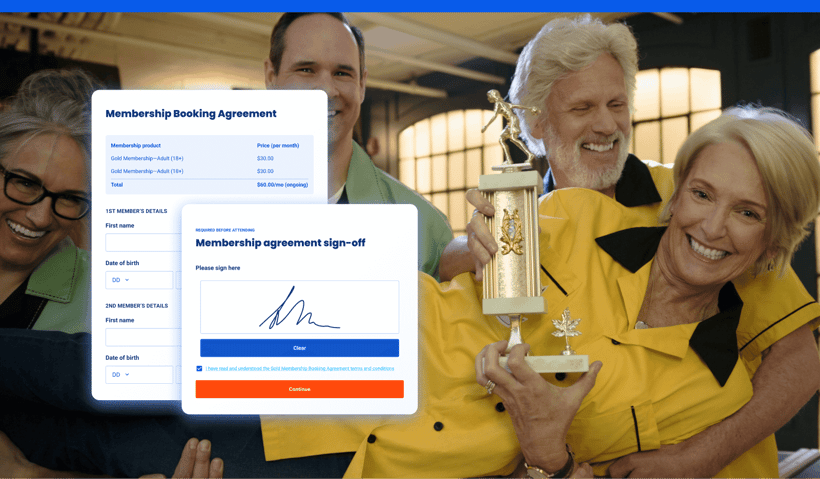
Show your tiers clearly, explain what's included at each level, and let people join with a few taps. Digital waivers should be part of the checkout process, and your terms should be visible during sign-up so there are no surprises.
Automate billing and payment recovery
Automated recurring billing is essential for a membership program. When a payment fails, your system should retry automatically and send a friendly reminder if the card needs updating. Most failed payments aren't people trying to cancel, they're caused by expired cards. ROLLER's membership management software handles this automatically, using smart retry logic to recover failed payments before they become cancellations.
Make perks apply automatically
Member recognition at the point of sale makes the experience feel seamless. When a member walks up to pay, their discounts and benefits should apply automatically. Staff shouldn't need to remember who gets what. And members should be able to log into their account online to see their perks, visit history, and upcoming reservations.
A self-service member portal also opens up opportunities for upgrades. When members can see what the next tier offers and upgrade with a tap, you create a natural upsell path that doesn't require your team to make a pitch.
Marketing your membership program
Even the best membership program won't grow if no one knows about it. A mix of visibility, targeted campaigns, and ongoing engagement keeps sign-ups flowing and members active.
Make memberships easy to discover
Start with the basics: a prominent "Join Now" link in your site navigation, a homepage banner promoting the program, in-venue signage at the front desk and near the lanes, and QR codes that let guests explore membership options from their phone while they're already having a good time at your venue.
Include membership prompts in your online booking flow too. A well-timed prompt after someone books a session showing how much they'd save as a member can convert casual visitors into recurring revenue.
Run targeted campaigns for different audiences
Different groups respond to different messages. Families are drawn to weekend value and party perks, students respond to affordable off-peak access, and corporate groups are interested in team-building options and league nights.
Seasonal campaigns also help create urgency. A "New Year, new membership" promotion, a back-to-school family deal, or a first-month-free offer during a quieter period can drive a wave of sign-ups when you need them most.
Use leagues and events as entry points
Leagues and special events are natural on-ramps to membership. A guest who joins a mini league or attends a member night gets a taste of the community and routine that membership provides. Offering a discounted membership trial to league participants or event attendees gives them a low-risk way to commit.
Read more: How to Promote Events That Sell Out
Let your members do the marketing
Referral programs turn your happiest members into your best acquisition channel. Offer a meaningful incentive — like a free month or bonus guest passes — when a member refers someone who signs up. Word of mouth from a trusted friend is more persuasive than any ad
Keeping members long-term
Send a welcome email that clearly explains their perks, includes a first-visit checklist, and makes them feel like they've joined something worthwhile. If possible, offer a small bonus for their first visit as a member — a free drink, an extra game, or a food credit — to reinforce the value immediately.
Stay engaged with a regular rhythm
Keep members active with a regular cadence of touchpoints. Monthly member nights, seasonal themed events, and early access to tickets for big events all give members reasons to visit beyond their usual routine.
Catch at-risk members before they leave
When a member's visits start dropping off, that's your signal to act. Automated outreach with a targeted offer — like a pause option, a temporary downgrade, or a win-back discount — can save memberships that would otherwise quietly lapse.
Gathering feedback through post-visit or post-season surveys also helps. When members see that you're listening and making improvements based on their input, they feel more invested in sticking around.
Build a membership program that keeps your lanes full
The most successful bowling centers don't rely on weekend walk-ins alone. They build membership programs that create predictable revenue, deepen guest relationships, and keep lanes busy throughout the week.
It starts with clear tiers and flexible models, smart pricing that reflects real demand, and perks that members genuinely value. From there, seamless sign-up, automated billing, and consistent engagement keep the program growing.
Ready to see how it all comes together? Book a demo to explore how ROLLER’s membership management software can help you build a membership program that drives lasting revenue.
Frequently asked questions about bowling alley memberships
What’s the best structure for a bowling alley membership program?
The best structure for bowling alley membership depends on your guests. Most successful centers use tiered memberships: visit-based models for casual bowlers, unlimited plans with fair-use policies for frequent visitors, and hybrid models that combine discounted rates with perks like guest passes. Common tiers include Basic, Plus, Family, and VIP.
How do leagues fit into a bowling membership program?
Leagues work well as a bowling membership perk or a premium offering within your tiers. You can offer discounted league registration for members, include league access in higher tiers, or create a league-specific membership that bundles registration with food and drink credits. Leagues build community and routine, which naturally supports retention.
How can software help me manage a bowling membership program?
Membership management software handles the operational side including automated recurring billing, smart payment recovery, online sign-up, self-service member portals, and analytics that track conversion, visit frequency, and drop-off. This frees your team to focus on the guest experience rather than manual admin.
Related articles

Memberships
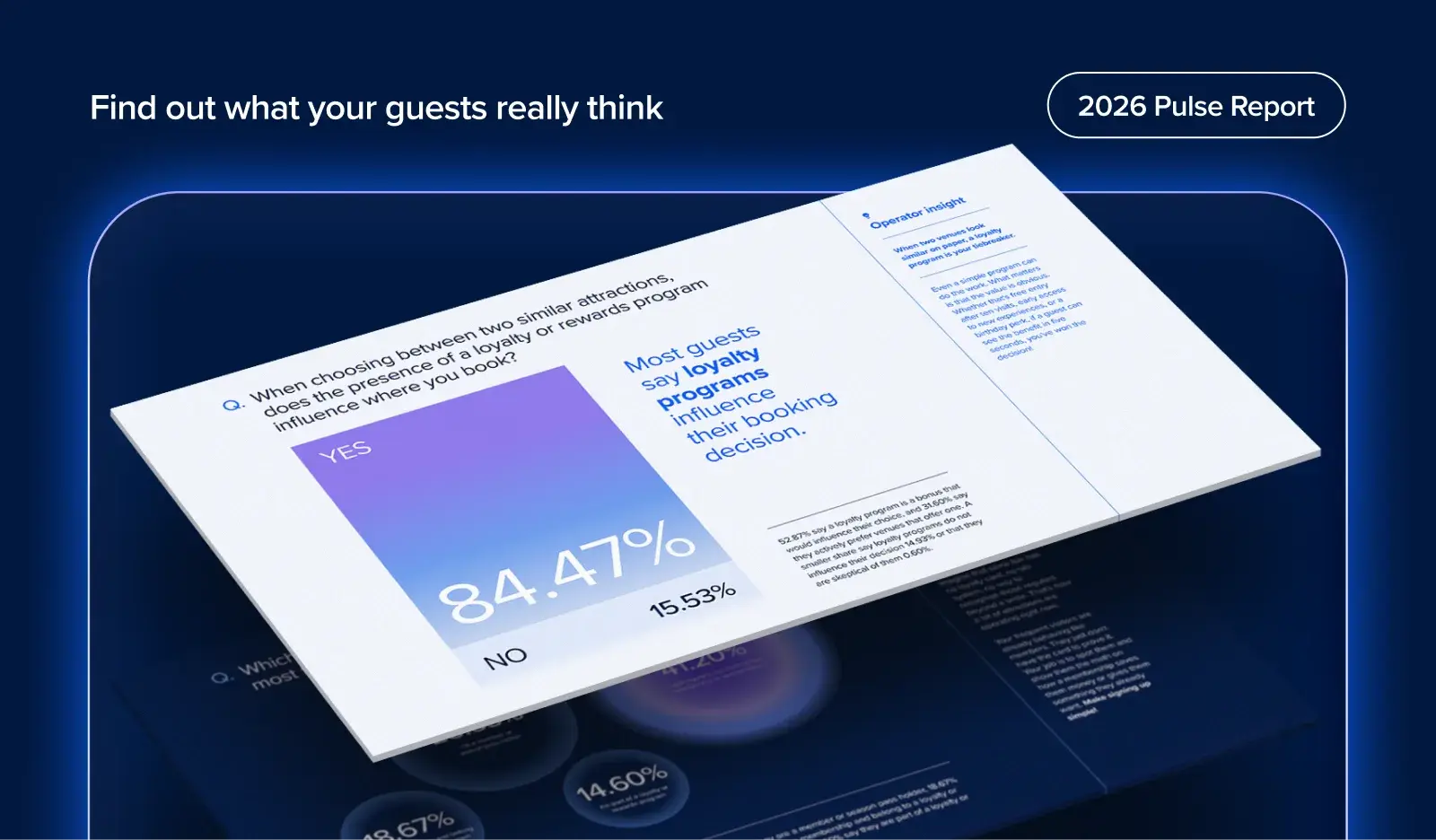
From Regulars to Members: Loyalty Insights from the 2026 Pulse Report
May 27, 2026
|
8 mins
.webp)
.jpg)
.jpg)