What Is a CRM Ticketing System for Attractions?
If you’ve spent time researching customer relationship management tools, you’ve likely come across the term CRM ticketing system. In traditional business settings, this usually refers to helpdesk workflows or customer support tickets. But for attractions, theme parks, and family entertainment centers, the concept looks very different.
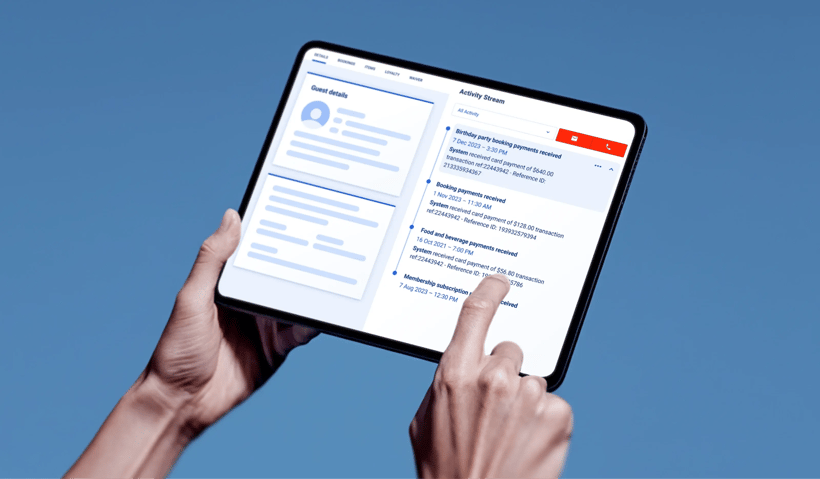
In a venue environment, a CRM ticketing system connects guest data with admissions, bookings, memberships, and attendance, helping operators understand how guests interact with the venue across their entire visit lifecycle. When these systems work together, you get a clearer picture of guest behavior, which supports more personalized experiences and long-term engagement.
In this guide, we’ll explain what a CRM ticketing system means for venues, how it works, and why integrating guest data with ticketing tools can help you improve operations, enhance communication, and drive more repeat visits.
What is a CRM ticketing system?
A CRM ticketing system for venues is a platform that combines guest relationship management with ticketing and bookings, giving venues a complete view of the guest journey. It helps you understand your guests, track how they interact with your venue, and build stronger relationships over time, rather than just processing one-time transactions.
Unlike traditional customer relationship management software that focuses on sales pipelines or support tickets, a guest-focused CRM ticket system is built around the entire visitor journey. It connects who your guests are with what they do, from buying tickets and attending events to renewing memberships and returning again and again.
At its core, a CRM ticketing system includes three key components:
Guest data management
All guest information lives in one place. This includes contact details, visit history, purchases, preferences, memberships, and lifetime value. Instead of scattered records across tools, you have a single, unified guest profile.
Automation and communication
The system allows you to automate emails, offers, and reminders based on real behavior. That might mean sending a birthday offer after a party booking, a renewal reminder when a membership is about to expire, or a follow-up invitation after a guest’s first visit.
Reporting and insights
Built-in reporting helps you understand what’s actually working. You can see repeat visit rates, revenue by guest segment, popular ticket types, and trends over time, giving you data to help make smarter decisions.
Traditional CRM vs. Guest CRM ticketing software
To make the difference clear, it helps to compare a traditional CRM with a guest CRM ticketing system.
|
Traditional CRM |
Guest CRM ticketing software |
|
Built for sales teams and pipelines |
Built for venues and guest experiences |
|
Focuses on leads, deals, and accounts |
Focuses on guests, visits, and relationships |
|
Tracks individual transactions in isolation |
Connects every ticket, visit, and interaction into one guest journey |
|
Limited visibility after a purchase is made |
Full visibility before, during, and after each visit |
|
Manual follow-ups and generic messaging |
Automated, behavior-based communication |
|
Data often lives across multiple tools |
Guest data, ticketing, and bookings live in one platform |
|
Reporting centered on revenue and conversions |
Reporting centered on retention, engagement, and lifetime value |
CRM ticketing system vs. standard ticketing software
In the previous section, we explored the difference between a traditional CRM and a guest-focused CRM ticketing system, and why venues need more than a sales- or support-driven view of customer data.
But even once venues understand the value of guest-focused CRM, there’s another important distinction to make. Many attractions still rely on standard ticketing software and assume it will fulfill their needs, but the reality is that standard ticketing tools and CRM ticketing systems are designed for very different purposes.
Let’s take a closer look at how a CRM ticketing system compares to traditional ticketing software, and why that difference matters for guest experience, marketing, and long-term growth.
|
Feature |
Standard ticketing software |
CRM ticketing system |
|
Transaction processing |
Yes |
Yes |
|
Guest profiles |
Limited or manual |
Automatic and detailed |
|
Purchase history |
Basic, transaction-level |
Comprehensive across all visits and touchpoints |
|
Marketing automation |
Rarely included |
Built-in and behavior-based |
|
Post-visit engagement |
Manual follow-up required |
Automated emails, surveys, and offers |
|
Data insights |
Sales and revenue reports |
Guest behavior, trends, and lifetime value |
Strong ticketing and CRM integration ensures every purchase, visit, and interaction updates a single guest profile automatically. With venue management platforms like ROLLER, every booking, waiver, and purchase updates a single guest profile, providing visibility well beyond the transaction itself.
Benefits of a CRM ticketing system for attractions
Managing a venue is already complicated without juggling multiple systems. When your CRM and ticketing tools integrate, much of that complexity disappears, allowing your team to focus more on guests rather than administrative tasks.
Centralized guest profiles
Every guest interaction, from purchasing a ticket to signing a waiver to leaving feedback, is stored in one place. There’s no need to hunt through spreadsheets or reconcile records across platforms. Everything you need is available when you need it.
This becomes especially valuable when guests reach out with questions. Your staff can instantly see booking history, past visits, and notes from previous interactions. That context leads to faster resolution and a smoother, more personalized guest experience.
Streamlined operations
Manual data entry consumes time, as does switching between systems to manage inventory, process refunds, or send confirmation emails. An integrated CRM platform automates these workflows, allowing your team to focus on in-venue experiences rather than back-office tasks.
Automation also reduces errors. When data flows seamlessly between systems, there’s less risk of typos, duplicate records, or missed follow-ups.
Better marketing segmentation
Not every guest wants the same experience. Families with young children have different needs than corporate groups or school field trips. A CRM ticketing system allows you to segment your audience based on real behavior, preferences, and purchase history.
You can create targeted campaigns for:
- First-time visitors who haven’t returned
- Season pass holders approaching renewal
- Guests who booked a birthday party but haven’t booked again
- Corporate clients interested in team-building events
That level of specificity makes your marketing more relevant, and relevance drives stronger results.
Post-visit engagement and loyalty tracking
What happens after a guest leaves your venue often determines whether they return. With disconnected systems, follow-up is usually inconsistent or manual. With an integrated CRM, you can automatically send thank-you emails, request feedback, and deliver timely offers that encourage repeat visits.
You’ll also gain insight into which guests are becoming loyal regulars and which might need a gentle reminder to return. Tracking guest lifetime value helps you prioritize the relationships that matter most and design offers that keep guests engaged over the long term.
Real-world use cases
Let's examine some hypothetical scenarios where CRM ticketing systems are used at attractions to understand their benefits.
Birthday party bookings
A parent books a party for their child. Your system captures their contact info, party size, and any special requests. After the event, an automated email goes out thanking them for choosing your venue and offering a discount on their next party booking or a family membership.
A few months later, as their child's birthday nears again, another automated reminder arrives in their inbox. They don't need to remember to reach out, and you don't have to manually track the date.
Membership renewals
You run a climbing gym with monthly and annual memberships. Your CRM ticketing system tracks when each member signed up and when their renewal is due. A few weeks before expiration, they receive an automated email with a renewal link and maybe a small incentive to lock in another year.
If they don't renew immediately, a follow-up email is sent a week later. This type of automation helps keep your membership base strong without needing constant manual monitoring.
Feedback follow-ups
After every visit, your system can automatically send a feedback request. Guests rate their experience, and if the score is low, your team gets an alert to follow up directly. If it's high, you can ask them to leave a review or refer a friend.
This kind of immediate response shows guests you care about their experience, and it gives you actionable insights to improve operations.
Read more: How Flying Squirrel Saves Time & Resources By Collecting Feedback via Guest Surveys
How to choose the right CRM ticketing system
Not all platforms are built for venues. Some are designed for retail or hospitality, while others are purpose-built for attractions and entertainment businesses. When evaluating your options, focus on the factors that will support your operations today and as you grow.
Scalability
Choose a system that can grow with you. Whether you operate a single location or plan to expand, your platform should handle higher guest volumes, more bookings, and additional locations without slowing down or becoming unstable.
Integrations
Your CRM ticketing system should work seamlessly with the tools you already rely on, including payment processors, email marketing platforms, and accounting software. Strong integrations reduce manual work and eliminate the need for messy workarounds.
Data ownership
You should always own your guest data. Avoid platforms that make it difficult to export information or lock you into long-term contracts. Access to your data gives you flexibility and protects your business as your needs evolve.
Ease of use
Your team should be able to use the system confidently without extensive training. Look for an intuitive interface, clear workflows, and responsive support that helps your staff stay focused on guests, not software.
Reporting and analytics
Good POS reporting turns data into decisions. Your system should make it easy to track metrics like guest retention, average spend, and campaign performance. Real-time insights help you adjust quickly and make smarter choices with confidence.
The future of CRM and ticketing integration
The line between guest management and operational efficiency is getting thinner. Emerging trends are shaping the next generation of CRM ticketing systems, including AI-driven insights that predict guest behavior and automation that personalizes communication at scale. Some platforms are even exploring dynamic pricing based on demand and guest profiles.
ROLLER is at the forefront of this shift. Innovations like ROLLER IQ turn guest data into actionable insights, helping venues anticipate needs, automate follow-ups, and deliver more personalized experiences. The goal is not just to collect data, it is to use it in ways that genuinely enhance the guest experience and improve your bottom line.
Next steps
A CRM ticketing system is more than software. It gives you better guest data, which leads to smarter operations, which in turn creates happier guests. That combination drives repeat visits, strengthens loyalty, and supports long-term growth for your venue.
If you are still juggling disconnected systems, it may be time to rethink your approach. Book a demo today to see how ROLLER’s all-in-one platform combines CRM, ticketing, and guest management to simplify operations and deliver exceptional guest experiences.
Frequently asked questions about CRM ticketing systems
What is a CRM ticketing system?
A CRM ticketing system combines customer relationship management software with ticketing and booking tools to manage the full guest journey. For attractions, it tracks guest data from the first ticket purchase through repeat visits and memberships.
What’s the difference between a CRM and a ticketing system?
A CRM manages guest data and relationships, while a ticketing system handles purchases and reservations. When combined, they provide complete visibility into every guest interaction, from purchase to post-visit follow-up.
Why do attractions need a CRM ticketing system?
Attractions need a CRM ticketing system to unify guest profiles, visit history, and communication in one platform. This makes it easier to personalize experiences, improve service, and increase repeat visits.
How can a CRM ticketing system improve guest experience?
A CRM ticketing system improves guest experience by enabling faster check-ins, personalized communication, and timely follow-ups. This creates smoother visits, stronger engagement, and higher guest satisfaction.
Related articles
.png)
.png)
Ticketing
Digital Ticketing Solutions: A Complete Guide for Venue Owners and Operators
December 15, 2025
|
7 mins
.webp)
.jpg)
.jpg)