Aquarium Software Buyer’s Guide: Ticketing, Memberships, and Capacity Control, and More
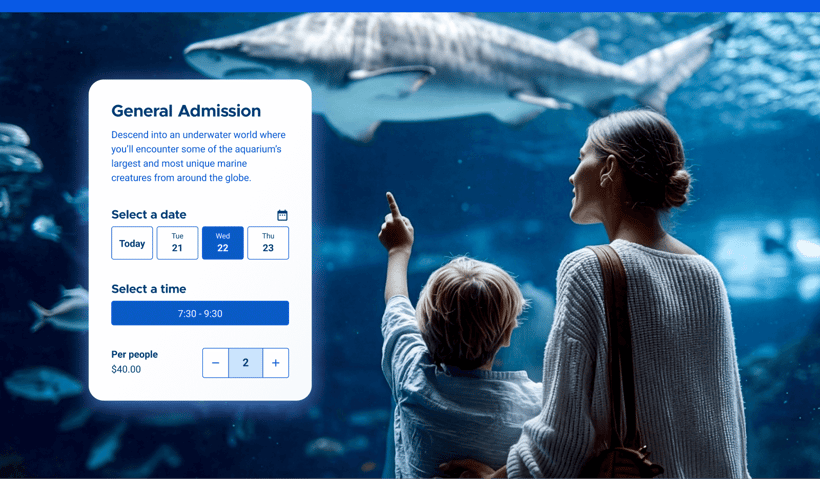
Running a public aquarium involves coordinating many moving parts. Operators are managing timed entry, school groups, memberships, and peak-season crowds all at once. If systems can't keep up, both the guest experience and revenue suffer.
Visitor expectations have also changed. Guests now expect to book tickets online, select an entry time, and arrive with minimal friction. Memberships should be easy to manage, and long queues at the entrance can quickly damage the visitor experience.
At the same time, aquariums are naturally capacity-sensitive environments. Overcrowded exhibits affect both visitor comfort and animal welfare, making real-time visibility into attendance essential.
Aquarium management software helps operators manage demand, streamline operations, and deliver a better visitor experience. We’ll walk you through the different types of aquarium software, the features to look for, and pitfalls to avoid.
What is aquarium software?
Aquarium software is a venue management platform designed specifically for public aquariums and marine life attractions. It supports the operational needs of institutions like aquariums, zoos with aquatic exhibits, and science centers that offer ticketed aquatic experiences.
Unlike aquarium care software used for animal husbandry or tank monitoring, aquarium management software focuses on visitor operations and revenue management with tools like memberships, timed-entry sessions, group bookings, and analytics and reporting.
At its core, the platform brings together key systems like ticketing, capacity management, memberships, point of sale, and analytics in one connected solution. The goal is to replace the patchwork of disconnected tools many venues rely on and provide a single, reliable source of truth for daily operations.
Core challenges aquarium operators face
Before evaluating aquarium software, it helps to clearly define the challenges many venues face and how they affect the visitor experience.
|
Challenge |
Guest impact |
|
Manual ticketing processes |
Long entry lines and slower check-in during busy periods |
|
Lack of capacity controls |
Overcrowded exhibits and less comfortable visits |
|
Disconnected operational systems |
Staff switching between tools, causing delays and mistakes |
|
Limited guest data visibility |
Generic communications and missed opportunities for memberships |
|
Legacy tools that can’t scale |
Difficulty handling peak-season demand and high visitor volumes |
These challenges tend to surface most during busy weekends, school holidays, and peak tourist seasons. When demand increases, operational gaps become more visible.
Key aquarium software features
The right aquarium software helps operators manage attendance, streamline entry, and maintain a smooth visitor experience even during the busiest days. When comparing options, focus on features that directly improve the guest experience while helping staff manage demand and operations efficiently.
Online ticketing and timed entry
A modern aquarium ticketing system should allow guests to book tickets online, select a timed entry slot, and complete the entire process on their phone without friction.
The right ticketing software for aquariums allows operators to set capacity limits by session, day, or even exhibit zone while giving staff real-time visibility into attendance.
Look for a booking experience that is clean, mobile-friendly, and supports add-ons like guidebooks, behind-the-scenes tours, or special experiences. Automated confirmations and reminders also help guests arrive prepared and reduce entry delays.
Memberships and passes
Memberships are one of the most valuable revenue streams for many aquariums. They encourage repeat visits, build long-term relationships with guests, and provide predictable revenue.
Aquarium membership software should support recurring billing, multiple membership tiers, and easy online sign-ups, renewals, and upgrades. At the same time, staff should be able to quickly access a member’s status or visit history at check-in so guests receive the benefits they expect.
Automation can also improve the guest experience. Renewal reminders, targeted offers, and personalized communications help members stay engaged and get more value from their membership.
Capacity and crowd control
Aquariums operate in naturally capacity-sensitive environments. Managing attendance carefully protects both visitor comfort and animal welfare.
Aquarium capacity management software should make it easy to adjust session limits during busy weekends, monitor real-time attendance across the venue, and block off times for private events or group bookings. Staff need clear visibility to make quick decisions and maintain a comfortable flow of visitors throughout the day.
Reporting and analytics
Strong reporting helps operators understand visitor behavior and improve the guest experience over time.
Your aquarium software should provide clear visibility into metrics like ticket sales by channel, attendance by session, membership growth, and returning visitor patterns. The goal is simple: Reliable insights that help teams plan staffing, adjust session capacity, and identify opportunities to improve future visits.
If teams are constantly pulling data from multiple systems just to understand performance, valuable time and insights are being lost.
Integrations
Your ticketing and admissions software needs to talk to the rest of your venue. That means connecting with your point-of-sale system at the café and gift shop, integrating with access control gates, and syncing with your marketing tools for guest communications.
The more connected your systems, the less manual work your team has to do, and the more consistent the experience is for guests from the moment they book to the moment they leave.
Aquarium software vs. generic ticketing tools
Many aquariums start with generic event ticketing tools because they’re familiar, inexpensive, and quick to set up. They can work for basic ticket sales, but they often fall short as operations become more complex.
However, many generic platforms aren’t designed for attraction environments. Timed entry controls tend to be limited, membership management is often minimal, and capacity tools rarely support the level of control aquariums need. When it comes to reporting on things like session performance or membership renewals, teams frequently end up exporting data and stitching together insights manually.
Attraction-specific platforms are built differently. These robust systems are designed around the day-to-day workflows aquariums actually run on, including timed entry, memberships, capacity management, and integrated reporting. As a venue grows, visitor numbers increase, and membership programs expand, having software built for attractions makes operations easier to manage and the guest experience more consistent.
How to choose the right aquarium software
Every aquarium operates at a different scale. A regional facility serving 100,000 visitors a year will have very different needs than a major marine attraction welcoming close to a million. This checklist can help clarify what matters most as you compare platforms.
Size of the aquarium
Consider the overall scale of your operation, including the number of exhibits, ticketed experiences, and departments relying on the system. The right platform should support your current setup without adding unnecessary complexity.
Annual visitor numbers
Visitor volume affects everything from ticketing performance to reporting needs. Make sure the software can comfortably handle your peak daily attendance without slowing down check-in or creating booking issues.
Membership complexity
If your program includes multiple tiers, household memberships, or reciprocal access with partner attractions, you’ll need tools that can manage those structures smoothly. The more sophisticated the program, the more important purpose-built membership features become.
Peak season demand
School holidays, weekends, and summer tourism can push systems to their limits. Evaluate how each platform manages high-demand scenarios, including timed-entry capacity, online bookings, and check-in speed during busy periods.
Onboarding and support
Implementation support matters. Look for platforms that include onboarding, training, and responsive customer support during your operating hours. When systems run your admissions and memberships, reliable support becomes part of daily operations.
Common mistakes to avoid when choosing software
Choosing the wrong platform can create long-term operational issues, even if it seems like the right fit at first. Here are some of the most common mistakes to watch for:
Choosing based on price alone
Lower-priced options don’t always include the functionality you’ll need as your venue grows. Systems that lack built-in booking, reporting, or integration capabilities can lead to more manual work, workarounds, and missed revenue opportunities over time.
Relying on a basic demo
Make sure to test real scenarios, like handling peak check-ins, managing group bookings, or processing last-minute changes, to understand how the system will hold up in day-to-day operations.
Underestimating membership complexity
Memberships can quickly become one of the most valuable and operationally complex parts of an aquarium. Without the right tools in place, teams may need to manage renewals manually, handle member benefits separately, or spend extra time resolving access issues at entry. A well-designed system should automate renewals, track member activity, and make it easy for staff to verify benefits.
Assuming integrations will work out of the box
Many platforms list integrations with POS systems, access gates, or marketing tools, but the level of integration can vary. In some cases, data may not sync in real time, or workflows may still require manual steps. It’s worth confirming how these systems connect in practice and asking to see real examples during the evaluation process.
Overlooking data ownership and portability
Your booking, guest, and revenue data is a valuable asset. Before choosing a platform, make sure you understand how easily you can access and export your data if needed. This becomes especially important if you plan to switch systems or integrate with other tools in the future.
The future of aquarium operations technology
Aquarium operations are evolving quickly, and technology is playing a bigger role in how venues manage visitors and deliver better experiences.
Self-service is becoming the norm
Guests increasingly expect to manage their own experience, from booking tickets and selecting entry times to renewing memberships and checking in without waiting in line. Mobile-first booking flows and self-service kiosks are shifting from nice-to-have features to standard expectations.
Data-driven decisions are replacing guesswork
Modern platforms give operators access to real-time insights on attendance patterns, session performance, and membership trends. With clearer data, teams can adjust staffing, refine pricing, and identify which programs are driving the most engagement and revenue.
Dynamic capacity management
Instead of relying on fixed session limits, some venues are beginning to adjust availability and pricing based on demand. This approach helps fill quieter time slots while protecting the guest experience during peak periods.
Aquariums that adopt modern software now are building the foundation to support these changes. Those relying on legacy systems may find it harder to keep up as visitor expectations and operational demands continue to grow.
Next steps
The aquarium software you choose shapes how guests experience your venue, how efficiently your team can work, and how confidently you can grow. Getting it right means fewer operational headaches, more revenue, and a guest experience that earns repeat visits.
A comprehensive solution like ROLLER brings all the essential tools together in one platform:
- Online ticketing and timed entry: Let guests book sessions online with real-time availability and automated confirmations.
- POS: Streamline transactions at every touchpoint, from admissions to the gift shop.
- Digital waivers: Collect and manage waivers online before arrival, linked directly to bookings.
- Membership management: Run tiered programs with automated billing and self-service renewal.
- Capacity management: Control session volumes in real time and protect the guest experience during busy periods.
- Guest communication and feedback: Automate reminders, post-visit surveys, and targeted membership campaigns.
- Reporting and analytics: Get clear, real-time visibility into revenue, attendance, and guest behavior.
- Multi-venue management: Manage multiple locations from one platform with centralized reporting.
Whether you're a standalone aquarium or part of a larger zoo or science center network, the right software makes operations smoother, guests happier, and growth more manageable.
Book a demo to see how ROLLER can help your aquarium thrive.
Frequently asked questions about aquarium software
What is aquarium software?
Aquarium software is a digital platform that helps aquariums manage ticketing, memberships, capacity limits, and daily operations in one system. Aquarium software typically includes tools for online ticket sales, timed entry, visitor data management, and reporting to support high visitor volumes and improve the overall guest experience.
What features should aquarium software include?
The best aquarium software should include online ticketing, timed entry scheduling, membership management, capacity controls, reporting, and integrations with POS and access control systems. These features help aquariums manage visitor flow, increase revenue, and deliver a smoother guest experience.
How does aquarium ticketing software manage capacity?
Aquarium ticketing software manages capacity by limiting the number of tickets available for specific time slots and adjusting availability based on real-time attendance. This approach helps prevent overcrowding, distribute visitor flow throughout the day, and maintain a safe and comfortable experience for guests.
How much does aquarium software cost?
Aquarium software costs vary depending on the platform, features, visitor volume, and required integrations. Many aquarium software providers use monthly subscription pricing, per-ticket fees, or a combination of both.
Is aquarium software different from zoo management software?
It depends on the platform. Some software is designed for very specific use cases, such as animal records or husbandry management, while others focus only on ticketing or admissions.
Modern, all-in-one platforms for attractions are typically built to support both aquariums and zoos, since they share many of the same operational needs, like ticketing, memberships, capacity management, and guest flow. These systems are designed to handle the full visitor experience, rather than just one part of the operation.
Related articles


.webp)
.jpg)
.jpg)